US-Iran Relations: The Necessity of Dialogue
In recent developments, President Donald Trump has made strong statements regarding Iran, emphasizing a tough stance at the NATO summit in Turkey. Despite this, the underlying reality suggests that negotiations remain a crucial path forward. Trump's remarks included harsh criticisms of Iran, labeling their leadership as dangerous and vowing to impose significant military pressure.
US Military Capability and Iran's Resilience
The United States undeniably possesses the military capability to inflict severe damage on Iran, yet has struggled to compel the Iranian regime to abandon its core demands, particularly concerning the control over the Strait of Hormuz. This strategic waterway is vital, as it is a conduit for a significant portion of the world's oil and gas supplies, giving Iran leverage over global economic stability.
"We're going to hit them hard again tonight," Trump stated, reflecting the ongoing tension and the precarious balance between diplomacy and military action.
Continued Talks Amid High Tensions
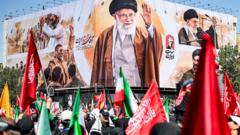
Despite the heated rhetoric, there remains an implicit acknowledgment that discussions with Iran are necessary. Talks have been temporarily paused due to the funeral of Iran's former supreme leader, Ayatollah Ali Khamenei, who was killed during a US-Israel military operation earlier this year. Trump's comments indicate a grudging acceptance of the diplomatic efforts led by his advisors, Steve Witkoff and Jared Kushner, even as he expresses skepticism about their potential success.
The Fragility of the Negotiation Process
The negotiation process between the US and Iran is fraught with challenges. The atmosphere is reportedly tense, underscoring the lack of trust between the two nations. This diplomatic impasse is exacerbated by recent military engagements and the strategic importance both parties place on the Strait of Hormuz.
Iran's stance remains firm; it refuses to relinquish control over the Strait, despite the potential benefits of a Memorandum of Understanding (MOU) that could offer significant economic incentives. The Iranian regime's resilience, bolstered by the failure of US-Israeli efforts to destabilize it, has only strengthened its resolve.
Domestic Dynamics in Iran
Internally, the Iranian regime has demonstrated a capacity to suppress dissent, evident from its response to protests earlier in the year. The domestic opposition remains subdued, partly due to the regime's forceful measures against demonstrators, which resulted in significant casualties.
Potential Pathways to Resolution
Despite the ongoing conflict, some mediators believe a deal is still possible. Such an agreement would necessitate concessions from both sides. Iran might agree to limit uranium enrichment and allow international inspections, while the US could consider unfreezing Iranian assets and acknowledging Iran's influence over the Strait of Hormuz.
However, the recent escalation underscores the difficulty of reaching such a compromise. Both parties face the challenge of balancing domestic pressures with international diplomatic efforts, making the path to a peaceful resolution complex.
Source: Original Article