Fuel Shortages in Russia
Russia is currently grappling with severe fuel shortages, with lengthy queues forming at petrol stations across Moscow and other regions. The situation is indicative of broader resource issues as the conflict with Ukraine continues, impacting domestic fuel availability.
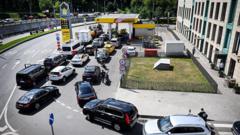
Driving around Moscow reveals long lines of vehicles at petrol stations, some static and others moving steadily. In instances where there are no queues, it often means the station has run out of fuel completely. This situation is significant, especially in Moscow, a city that typically benefits from Russia's vast resources.
Public Sentiment
Among those affected, frustration is growing. Yekaterina, a local resident, expressed concerns over potential oil shortages but remained hopeful that reorganization of oil distribution could resolve the issue. Meanwhile, Elmar, another resident, lamented the rising costs of fuel and the uncertainty of traveling due to these shortages.
Valery, another individual waiting in line, expressed his disbelief at the need to queue for fuel in a country known for its oil production. He attributed the problem partly to a lack of preparedness by Russian authorities.
Impact of the Ukraine Conflict
The ongoing conflict in Ukraine has brought the war closer to home for many Russians. President Vladimir Putin has attempted to shield the population from the war's direct effects, but the increasing number of Ukrainian drone and missile strikes on Russian oil refineries is hard to ignore. These attacks have contributed to the current fuel crisis, along with internet disruptions and information restrictions.
Russia, one of the leading oil producers globally, is now struggling to meet its fuel demands. Andrei, queuing with his wife, mentioned geopolitics as a factor in the current crisis and expressed hopes for peace discussions, although he acknowledged the lack of progress from European partners.
Social Media and Public Response
Images of long queues at petrol stations have proliferated on social media, with some queues stretching for miles. Tensions have risen, leading to occasional disputes among drivers. In some regions, authorities have implemented rationing and deployed measures to maintain order, such as using Cossacks in the Black Sea resort of Anapa.
Local governments are taking various steps to address the crisis, including reducing bus services and rubbish collections, as well as providing portable toilets for drivers in line. The widespread anxiety has also led to concerns among farmers about the upcoming harvest.
Kremlin's Response
Despite the economic challenges, it remains unclear if this turmoil will translate into political pressure on the Kremlin. In Kyiv, there is hope that the public's frustration might lead to demands for an end to the war. President Putin has publicly acknowledged the fuel shortages, attributing them to Ukrainian attacks but downplaying their severity.
In response, the Russian government is increasing fuel imports, subsidizing prices, and allowing the sale of lower-grade fuel, despite concerns about potential engine damage. Polls indicate a slight decline in Putin's approval ratings, suggesting growing public discontent.
Potential Outcomes
Economic experts, like Christopher Weafer of Macro Advisory, view the fuel crisis as a potential turning point for Russia's economic growth. Meanwhile, some analysts, such as Nina Khrushcheva from The New School, argue that Western expectations of significant political change in Russia are unrealistic.
Putin's recent appearances in military attire and statements about maintaining strategic initiatives indicate a doubling down on military efforts. The Kremlin's focus on analyzing European involvement in the conflict suggests a continued commitment to its current course of action.
Source: Original Article