Subpoenas Issued to Journalists Following Reports on Air Force One
Several journalists from the New York Times have been called to testify under oath after publishing articles about security issues concerning President Donald Trump's new Air Force One aircraft. The subpoenas were issued as part of a federal grand jury investigation into the source of potential illegal leaks.
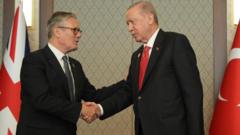
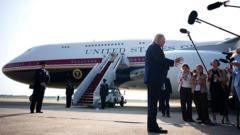
Federal agents delivered subpoenas to the homes of some reporters, requiring them to appear before the grand jury in Manhattan. These actions follow the New York Times' reports on the alleged security vulnerabilities of the Qatari-gifted plane, suggesting that it lacked sufficient protective features. The Secret Service reportedly advised President Trump to switch planes during his return from a NATO summit in Turkey due to these concerns.
Justice Department's Stance
The U.S. Department of Justice (DoJ) has stated that the investigation targets the unauthorized disclosure of classified information, not the journalists themselves. A spokesperson emphasized the importance of ensuring individuals entrusted with national secrets adhere to security protocols.
David McCraw, the lead attorney for the New York Times newsroom, criticized the subpoenas as an attempt to deter journalists from informing the public about government activities. McCraw argued that such legal actions threaten the press's role in maintaining transparency and accountability.
Legal Context and Details
The subpoenas demand the journalists' testimony in relation to a possible violation of federal criminal law. Grand juries, composed of ordinary citizens, are tasked with evaluating evidence to determine if formal charges should be brought against individuals.
The Times based its reporting on unnamed sources, which raised concerns about the plane's lack of advanced security features, such as antimissile capabilities. The U.S. Constitution protects the freedom of the press, allowing the dissemination of information deemed to serve the public interest.
Responses and Reactions
Despite the controversy, President Trump has dismissed concerns about the plane's safety. When questioned by reporters, he remarked that threats are a constant aspect of his role.
Last month, Trump showcased the new Boeing 747-8 aircraft, donated by Qatar as an "unconditional" gift to the U.S. The plane, valued at approximately $400 million, had been upgraded with advanced security, communication, and logistical technologies. The Air Force reassured that any potential threats linked to the aircraft's previous ownership had been addressed.
Other media outlets, such as CBS News, have corroborated the New York Times' reports. A former U.S. official informed CBS that there was insufficient time and funding to fully equip the plane with the necessary security enhancements.
While these reports emerged, tensions between the U.S. and Iran were escalating due to disputes over a ceasefire agreement, coinciding with American military actions in the region.
Source: Original Article