Ghana Delays Scheduled Visit by South African President
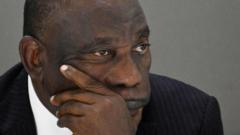
In light of recent anti-migrant demonstrations in South Africa, Ghana has postponed a planned visit by South African President Cyril Ramaphosa. The visit, initially set for early August, was anticipated to ease growing tensions between the two countries. However, concerns arose in Ghana that Ramaphosa's presence might spark widespread protests.
Government spokesperson Felix Kwakye Ofosu conveyed to the BBC that the visit would be deferred. "We communicated to them that it would be best to postpone the visit given the current climate surrounding xenophobia," he stated.
South Africa's Response
South Africa has downplayed the situation, with presidential spokesperson Vincent Magwenya reiterating the country's commitment to fostering cooperation between the "two sister nations" and advancing the African agenda. Magwenya emphasized that the countries would continue diplomatic engagements to determine a suitable date for the meeting.
He also clarified that the meeting was not a formal state visit, as described by Ghanaian officials, but part of ongoing bilateral discussions.
Increasing Diplomatic Tensions
The diplomatic strain between Ghana and South Africa intensified following a viral video of Emmanuel Asamoah, a young Ghanaian in South Africa, being told to "go fix his country." In response, Ghana has repatriated over 900 nationals, with an additional group expected to return soon.
Similar measures have been taken by other African countries, including Nigeria, Malawi, and Kenya, as anti-foreigner protests continue in South Africa. Protesters have issued ultimatums for undocumented migrants to leave, resulting in around 25,000 repatriations so far.
President Ramaphosa commented on the situation, asserting the right to peaceful protest while promising to address irregular migration.
Controversy over Alleged Killing
The dispute escalated further when Ghana condemned the reported killing of Bahiru Isak, a Ghanaian, during anti-immigration protests in Cape Town. South African authorities, however, deny this incident, acknowledging only the unrelated death of another Ghanaian, Kwabena Boagen.
South Africa's justice minister accused Ghana of spreading misinformation about the situation and the issue of irregular migration. A legal contention exists between the two nations, with Ghana claiming most of its citizens in South Africa have valid residency documents, a claim South Africa disputes.
Calls for African Union Involvement
In May, Ghana appealed to the African Union for action against the recurring xenophobia in South Africa, urging for a fact-finding mission to address attacks on foreigners, which contravene the African Continental Free Trade Area agreement. Analysts warn that South Africa risks isolation within the continent if it fails to address these diplomatic and social issues effectively.
Xenophobic tensions are not new in South Africa, where foreigners are often blamed for socioeconomic challenges. However, many across Africa remind South Africans of the solidarity provided by other African nations during the anti-apartheid struggle, contributing to the nation's democratic evolution.
Source: Original Article