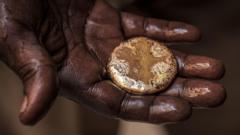
EU Enforces Gold Import Ban from Sudan
The European Union (EU) has decided to impose a ban on the purchase, import, and transfer of gold originating from Sudan. This measure is intended to prevent the trade from serving as a financial backbone for the civil war that began in April 2023.
Impact of the Conflict
The conflict between Sudan's regular army and the paramilitary Rapid Support Forces (RSF) has led to a significant humanitarian crisis, with over 14 million people displaced. Sudan, being one of Africa's top gold producers, has seen its gold reserves become a major revenue source for both warring factions, as reported by various rights organizations.
Additional EU Measures
In conjunction with the gold ban, EU foreign ministers have also prohibited the export of mercury and cyanide to Sudan, which are commonly used in gold mining operations. However, these chemicals will still be allowed for humanitarian and public health uses.
Gold Smuggling Concerns
Reports by UN experts and analysts suggest that a significant portion of Sudan's gold—estimates range from over half to 70%—is illegally smuggled out of the country annually. The RSF controls the goldfields in Darfur and Kordofan, while the national army manages production in the north and east. The smuggled gold often transits through neighboring countries such as Egypt, Chad, and Libya before reaching Dubai in the United Arab Emirates, a key global trading center for gold.
"Gold has become a key source of revenue sustaining the conflict in Sudan," stated the EU Council. The measures are designed to curb financial resources for the conflict and increase pressure on those responsible for the violence.
Scope of the Ban
The EU's restrictive measures prevent individuals and companies within the EU from engaging in transactions involving Sudanese gold. These actions are part of a larger sanctions regime aimed at individuals and entities alleged to be perpetuating the conflict.
Challenges to Enforcement
Experts caution that sanctions alone might not suffice to end the gold trade unless global trading hubs and regional transit routes also enhance their enforcement measures against illicit Sudanese gold. The international community is increasingly pressuring those backing the conflict to step back, as aid organizations report that over 28 million Sudanese are grappling with severe hunger.
Source: Original Article